
Anatomy-led piercing in Singapore: Why I work the way I do
There are many reasons people become piercers. For me, it was never just about the aesthetic.
It was the psychology. The hygiene. The anatomy. The angles of jewellery. The months of healing after the moment itself.
I have always loved the details, especially the parts most people don’t see.
From the early days of reading everything I could find on BMEzine, I knew that if I ever stepped into this industry, I would do it properly.
Where I first lived, there was a clear need for deeper knowledge and higher standards. I could see it. But instead of rushing in half-prepared, I waited for the right apprenticeship. That meant leaving comfort behind and pursuing proper training under experienced professionals.
It required sacrifice, but it built foundation.
And in this field, foundation matters more than speed.
Responsibility over revenue
I have always seen piercing as a responsibility.
When you place jewellery into someone’s body, you are making a long-term decision with them. That decision affects comfort, healing, anatomy, and confidence, sometimes for years.
I was trained to assess anatomy carefully. What sharpened my standards even further was seeing the opposite: piercings placed on unsuitable anatomy, jewellery that was too short, too long, too thin, too heavy, poorly polished, or incorrectly angled.
It made me slower. More thorough. More willing to pause.
I say no often.
I say no when anatomy does not safely support a placement.
I say no when too many piercings are planned at once.
I say no when jewellery compromises healing.
I say no when timing isn’t right for the body.
And I always explain why.
Because informed consent matters more than sales.
Professional piercing is not a volume business. It is anatomy-led work that requires restraint, patience, and long-term thinking.
The medical curiosity behind my work
What many people don’t expect is how medically interesting piercing is.
The skin is an organ.
Cartilage behaves differently from soft tissue.
Blood flow influences healing.
Swelling patterns change placement decisions.
Healing is not a mystery, it is biological.
Understanding tissue depth, vascularity, placement angles, and how different materials interact with the body shapes how I approach every procedure. Sterile technique is not a checkbox. Jewellery quality is not aesthetic preference. They are biological decisions.
When you respect the body’s healing process, outcomes become more predictable, and that respect affects everything I do.
More than decoration
Jewellery is not always just decoration.
Some people get pierced to mark a new chapter.
Some to reclaim their body after illness or change.
Some to reconnect with themselves.
Some simply because it feels beautiful.
Piercing can be ritual. It can be grounding. It can be quiet empowerment.
I do not romanticise it, and I absolutely do respect it.
When someone chooses to modify their body, it deserves to be approached with seriousness, safety, and care.
Craft, gold, and longevity
Alongside piercing, I trained as a goldsmith because I saw a gap in the jewellery available for professional body piercing.
Too often, pieces were almost right, but not fully aligned with anatomy, proportion, or long-term wear.
Being trained in goldsmithing allows me to understand jewellery structurally, not just visually. Proportions matter. Weight matters. Polish matters. How a piece sits in tissue matters.
Solid gold is not a luxury upgrade in my view. It is often the ideal long-term material when manufactured correctly for piercing use.
It lasts.
It heals well.
It holds value.
It ages beautifully.
If something is going to live in your body long term, it deserves quality.
Over the years, I’ve worked internationally with established fine jewellery brands and high-standard studios. Those experiences shaped my understanding of what “good” truly looks like, and where the bar should sit.
Human first
At Eir, human-first means you are the focus.
Your comfort.
Your anatomy.
Your timing.
Your goals.
I guide you through jewellery choices, placement, and pacing. I will slow you down if needed. I will encourage you when you are ready.
There are things I will never compromise on: sterile procedure, informed consent, implant-grade or solid gold jewellery, hygiene standards, and environmental responsibility.
Fast piercing prioritises volume, I prioritise longevity.
Why Singapore. Why Eir.
Singapore represents stability; structurally, financially, politically.
After experiencing an earthquake while living in Bangkok, stability carries new meaning.
I chose to build Eir Piercing in Singapore because I believe this city deserves an anatomy-led, education-focused, high-standard piercing studio; one that treats healing support and professional standards as essential, not optional.
The name “Eir” comes from Norse mythology, a goddess associated with healing. My Nordic background shapes the studio’s identity: calm, intentional, grounded.
An investor believed strongly enough in this philosophy to support its creation. Eir was built to raise standards, not chase speed.
I want Singapore to be one of the best places in the world to get pierced!
In the studio
In the studio, I am calm and attentive. Informative and respectful.
I give space when it is needed.
I joke when it eases tension.
I say no when it protects you.
Clients often tell me I have soft hands.
What matters more to me is that they feel cared for and not rushed.
Because piercing is not just about the moment of the needle.
It is about everything that comes before and after.
If you choose to sit in my chair, my responsibility is simple:
Your anatomy.
Your safety.
Your long-term comfort.
You are welcome here!
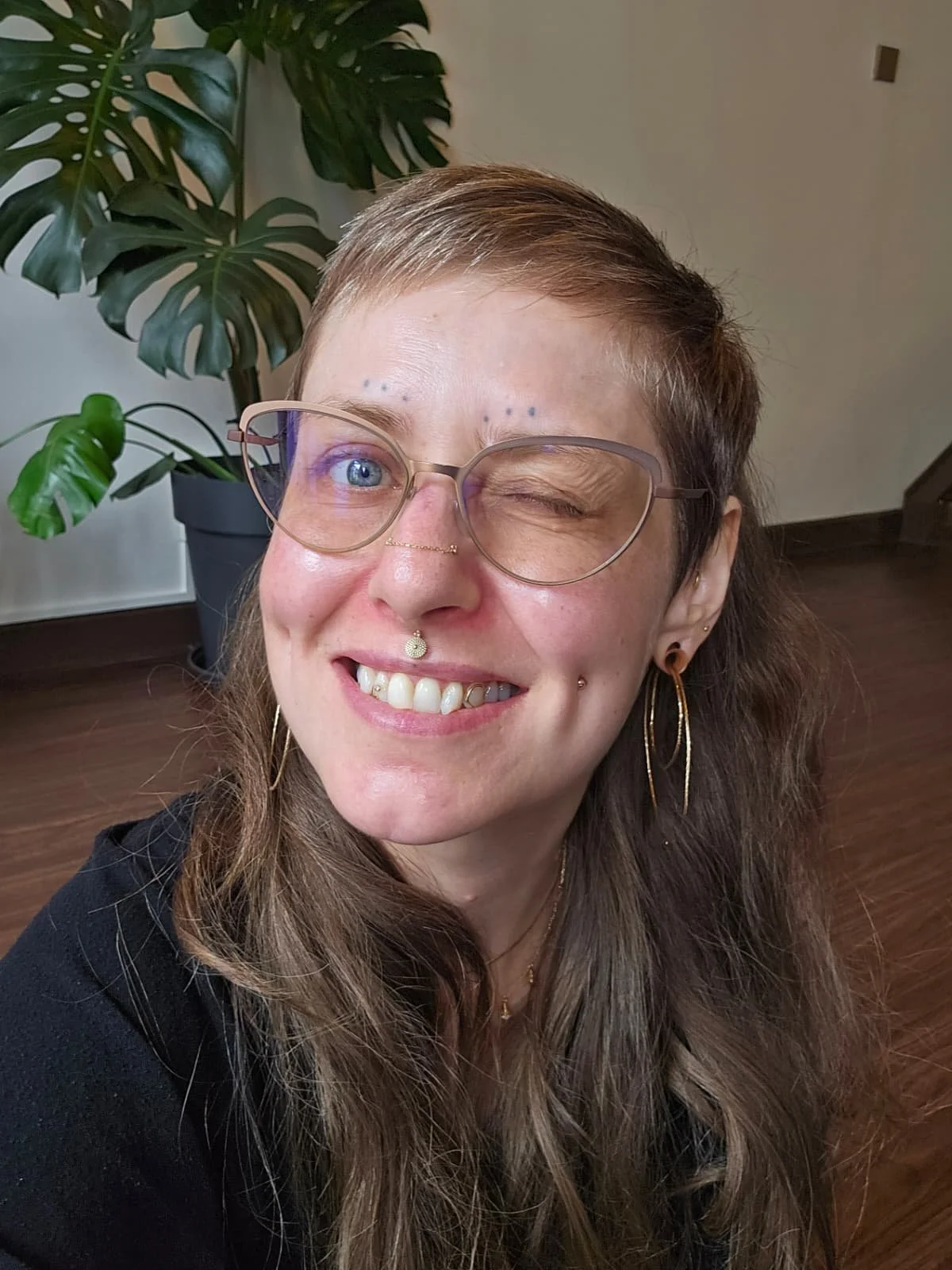
Written by Melin Emilsen
Founder & Professional Piercer, Eir Piercing Singapore